
Everyone shows the screenshot. Nobody shows the setup.
You’ve seen those posts. A dashboard full of orders, a big number, a caption about freedom. What’s missing is everything before that: the product research, the supplier checks, the store design, the shipping times, the returns, and the weeks of boring testing.
That missing part is exactly what Dropshipping Store Setup Training teaches. You learn how to find products worth selling, choose reliable suppliers, build a store that earns trust, set prices that leave real profit, and launch without guessing. The best programmes make you build a working store, so you finish with a real setup instead of a pile of notes.
This matters because dropshipping looks simple: no stock, no warehouse, just sell and let the supplier ship. In practice, the details decide everything. Slow delivery, poor quality, and thin margins sink most beginners.
If you’re a student, a job seeker, a small shop owner, or someone tired of hype and ready for a real process, this guide covers what the training includes, how long it takes, and how to start.
What Is Dropshipping Store Setup Training?
Think of dropshipping as running a shop without a stockroom. A customer orders from your store. You pass the order to a supplier. The supplier ships it directly. You keep the difference between what the customer paid and what the supplier charged.
Dropshipping Store Setup Training is a structured programme where you learn to build and launch that kind of business properly. You start with the model and product research, move into supplier selection and store building, and finish with launch, orders, and customer handling.

A good programme usually covers:
- How the dropshipping model works
- Product research and niche selection
- Finding and testing suppliers
- Store setup on a platform such as Shopify
- Product pages, pricing, and policies
- Payments, shipping, and order flow
- Basic marketing and launch
Most “dropshipping courses” sell the dream. Dropshipping Store Setup Training should sell the process, including the uncomfortable parts like margins, delays, and refunds.
The good news? You don’t need a big investment to learn. You need patience, attention to detail, and a willingness to test small before spending big.
Why This Skill Pays Off
Dropshipping lowers the barrier to starting an online business. That’s exactly why so many people try it, and why most do it carelessly.
That’s the opportunity for those who learn properly. Here’s why people choose this skill:
- Lower upfront stock risk. You don’t buy inventory before you sell.
- Flexible location. You can run it from anywhere with a laptop and internet.
- Transferable skills. Store building, product research, and marketing help in any online business.
- Service opportunities. Some people build stores for other entrepreneurs.
Picture someone who wants to sell home organisation products. Without a process, they pick random items and hope. With the right method, they validate demand, compare suppliers, order samples, and build a clean store around a clear niche.
That’s the difference Dropshipping Store Setup Training is designed to make. To be clear, no course can promise profit or income. Many dropshipping stores don’t succeed. What training can do is help you avoid avoidable mistakes.
Want to see what a properly built store looks like? Ask for a live store walkthrough before joining any Dropshipping Store Setup Training programme.
What Does Dropshipping Store Setup Training Cover?
Before paying for any course, ask one question: will I actually build and launch a store, or only watch someone else do it?
A complete Dropshipping Store Setup Training programme should cover these modules:
- Business model basics: how orders, payments, and supplier fulfilment flow.
- Niche and product research: finding products with demand, margin, and manageable competition.
- Supplier selection: checking reliability, quality, shipping time, and communication.
- Store setup: theme, pages, navigation, and a trustworthy layout.
- Product pages: titles, images, descriptions, and clear policies.
- Pricing and profit: covering product cost, shipping, fees, ads, and returns.
- Payments and legal basics: payment gateways, terms, and platform requirements.
- Order management: handling orders, tracking, delays, and refunds.
- Launch and marketing basics: testing traffic sources and measuring results.
The supplier module is the one beginners rush. A beautiful store with an unreliable supplier collapses fast, because customers blame you, not them.
A strong programme also teaches you to order samples. Seeing quality and delivery time yourself prevents expensive surprises.
Dropshipping Store Setup Training at a Glance: Research, Suppliers and Launch
Short on time? Here’s the quick view.
- Best for: beginners, students, small business owners, and aspiring online entrepreneurs.
- Skills learned: product research, supplier evaluation, store setup, pricing, order handling, and launch basics.
- Tools used: a store platform such as Shopify, supplier platforms or directories, and basic spreadsheets.
- Typical duration: around 4 to 8 weeks for beginners, depending on practice hours.
- Prerequisites: basic computer skills and a small budget for tools and samples.
- Outcome: a launch-ready store with products, policies, and a tested order flow.
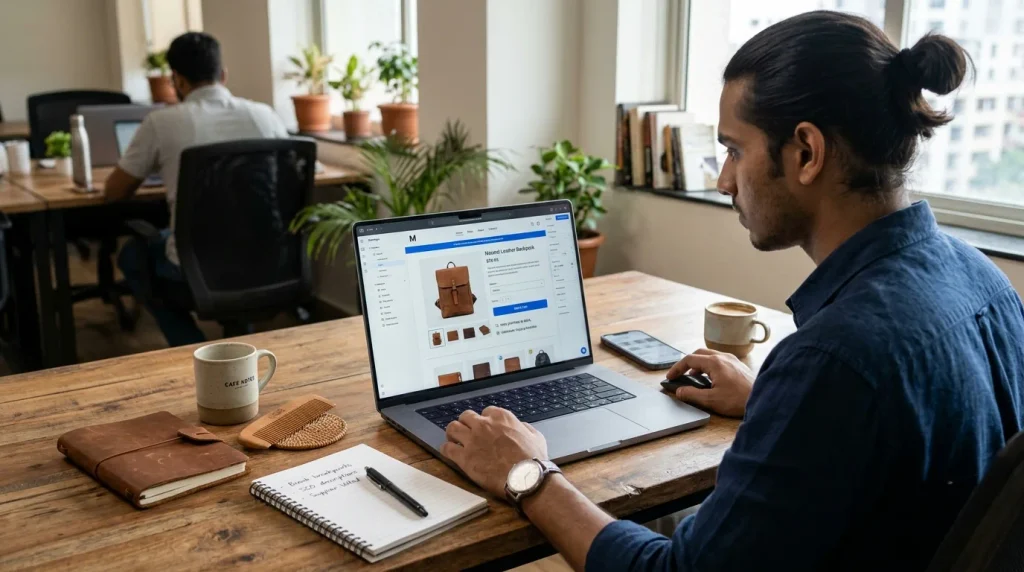
When you compare any Dropshipping Store Setup Training option, ask five things. Do you build a real store? Is supplier checking taught? Is profit calculation explained honestly? Are shipping and returns covered? Is there feedback on your store?
If two or more answers are no, keep looking.
How Do I Launch a Dropshipping Store?
To launch a dropshipping store, choose a niche, research products, select reliable suppliers, set up your store on a platform, write clear product pages and policies, set pricing with real margins, test the order process, and then start small marketing tests. Launch with a few products rather than hundreds.
Here’s the sequence in more detail:
- Choose a niche. Pick a category you can understand and describe clearly.
- Research demand. Look at search interest, competitor stores, and customer questions.
- Shortlist products. Prefer items that are lightweight, durable, and not heavily regulated.
- Find suppliers. Compare quality, delivery time, pricing, and communication.
- Order samples. Test packaging, quality, and delivery yourself.
- Build the store. Keep the design clean, with clear navigation and trust elements.
- Write policies. Shipping, returns, privacy, and contact details must be visible.
- Calculate margins. Include every cost before you set prices.
- Run a test order. Walk through the process as a customer.
- Launch small. Test with limited spend and review the data.
Notice the order. You research and verify before you advertise. Beginners often do the opposite.
This is the exact workflow practised in Dropshipping Store Setup Training, repeated until it feels natural.
Which Course Is Best for Dropshipping?
There isn’t one best course for everyone. A good dropshipping course should teach product research, supplier checking, store setup, honest profit calculation, and order handling, with real practice and no income promises. Compare syllabus, projects, support, and reviews before choosing.
Here’s a simple checklist for judging any programme:
- Does it show real stores and real processes? Avoid courses built on screenshots.
- Does it teach supplier verification? This protects you from bad deliveries.
- Does it cover costs honestly? Ads, fees, and returns should be part of the maths.
- Do you build something? A launched or launch-ready store is a strong sign.
- Is there feedback? Someone should review your product choices and store.
- Does it avoid guarantees? Promises of fixed income are a red flag.
Digital Chaabi Academy is one option for learners who want a guided, practical route, where you build and review a store step by step. Whichever you consider, compare it against this list first, and don’t rely on hype.
Free resources from platforms like Shopify can also teach the basics. Many people combine free learning with structured Dropshipping Store Setup Training to get feedback and a complete process.
Ready to build a store instead of collecting tutorials? Choose Dropshipping Store Setup Training that ends with a launch-ready setup.
Skills You Build in Dropshipping Store Setup Training
Platforms and trends change. Skills are what you keep.
Product Research Skills
You learn to judge demand, study competitors, and estimate margins before spending money. This habit prevents most beginner losses.
Supplier Evaluation Skills
You learn to compare suppliers on quality, delivery time, communication, and consistency. You also learn to order samples and test real orders.
Store Building Skills
You create a clean, trustworthy store: clear navigation, readable product pages, visible policies, and a smooth checkout.
Pricing and Profit Skills
You calculate product cost, shipping, payment fees, ad spend, and refunds. Then you set prices that keep the business sustainable.
Customer Handling and Operations
You learn to manage tracking updates, delays, returns, and complaints calmly. Good service protects your reputation.
The best Dropshipping Store Setup Training programmes blend all five, because a store needs every one of them to survive.
Where You Can Use These Skills
Skills matter only when they turn into results. Here’s where they do:
- Your own store: build and run a niche online shop.
- Store setup services: create stores for other entrepreneurs.
- Product research services: help sellers find and validate products.
- E-commerce roles: support operations, listings, or customer service for online brands.
- Brand building: move from dropshipping to private label as you learn the market.
- Marketplace selling: the same product research and pricing logic applies on other platforms.
Take someone who wants to sell pet accessories. After Dropshipping Store Setup Training, they can pick a narrow niche, shortlist products, verify suppliers, and launch a focused store rather than a messy, generic one.
Common Mistakes Beginners Make
Most beginners don’t fail because the model is impossible. They fail because of these habits:
- Chasing viral products. Trends fade fast, and competition arrives quickly.
- Skipping supplier checks. Poor quality and slow delivery destroy trust.
- Ignoring total costs. Ads, fees, and refunds can erase a margin.
- Building a messy store. Customers leave when a site looks untrustworthy.
- Hiding policies. Clear shipping and return information builds confidence.
- Adding too many products. A focused catalogue is easier to manage and market.
- Spending on ads too early. Test the store and the offer before scaling spend.
- Choosing hype over process. Dropshipping Store Setup Training that sells dreams instead of systems leaves you with excitement but no skills.
Fix these early and you’ll be ahead of most people starting out.
Step-by-Step Roadmap to Start Dropshipping Store Setup Training
Here’s a simple path. No fluff.
- Pick your goal. Learning the model, building your own store, or offering services.
- Choose a niche. Start narrow and specific.
- Research 10 products. Compare demand, price, and competition.
- Contact suppliers. Ask about shipping time, quality, and returns.
- Order samples. Judge quality and packaging yourself.
- Build your store. Set up pages, policies, and a clean product layout.
- Do a full test order. Check the payment, order, and tracking flow.
- Launch with a small test. Review results and improve before expanding.

Follow the order. Verification beats speed.
Future Scope
E-commerce continues to grow, but the easy days of throwing up a store and getting orders are fading. Customers expect faster delivery, better service, and trustworthy brands.
That raises the value of proper setup. AI tools can help with descriptions and research, but they can’t verify a supplier, judge product quality, or handle a delayed order.
Stack this skill with brand identity, paid advertising, or marketplace selling and you can build a stronger online business. Dropshipping Store Setup Training is a good base for building those extra skills.
FAQs
Q: Can I earn 1 crore per month from dropshipping?
A: Some stores reach high revenue, but it is rare and not a realistic expectation for beginners. Revenue is also not profit, since ads, product costs, and refunds reduce earnings. Honest Dropshipping Store Setup Training focuses on building a sustainable process, not chasing headline numbers.
Q: Who is the no. 1 dropshipper?
A: There is no single verified ranking, since stores rarely publish reliable revenue figures and rankings vary by source. Instead of chasing names, study the practices of successful stores: strong niches, reliable suppliers, good service, and consistent testing. These lessons are more useful than a name.
Q: Do I need a lot of money for Dropshipping Store Setup Training?
A: Not to learn. You’ll need a small budget for tools, samples, and test marketing, but you don’t need to buy inventory. Start small, test carefully, and avoid heavy ad spending until your store and offer are proven.
Q: How long does Dropshipping Store Setup Training take?
A: Most beginners need around 4 to 8 weeks with regular practice. The exact time depends on how quickly you research products, verify suppliers, and build your store. Rushing without sample orders or test checkouts leaves gaps, so focus on finishing a complete setup.
Q: Is dropshipping still profitable?
A: It can be, but competition and costs are higher than the hype suggests. Profit depends on product choice, supplier reliability, pricing, marketing efficiency, and customer service. A careful process gives you a better chance than copying trending products, and there are no guarantees.
Q: Can I earn after completing Dropshipping Store Setup Training?
A: Some people use these skills to run their own stores or set up stores for others. Results depend on your niche, execution, and consistency. There are no guarantees, but a tested process for research, suppliers, and launch gives you a real advantage over guesswork.
Conclusion
Dropshipping doesn’t fail because the idea is bad. It fails because the setup is rushed.
The path is simple. Choose a narrow niche, research honestly, verify suppliers, build a trustworthy store, price with real numbers, and test before you scale. That’s what separates people who “tried dropshipping” from people who build stores that last.
If you want that outcome, choose Dropshipping Store Setup Training that makes you build, test, and launch a real store. Skip the one that only shows income screenshots.
Ready to Set Up and Launch Your Store?
If you’re serious about building a dropshipping store on research instead of hype, Dropshipping Store Setup Training at Digital Chaabi Academy lets you work through product research, supplier selection, and store launch with hands-on practice and mentor guidance. Start your next batch and build a store that’s ready for real customers.